The NYC Hotel Price Puzzle: Why Your Room Costs More on Saturday (And How to Use It!) 🎉🏨
The NYC Hotel Price Puzzle: Why Your Room Costs More on Saturday (And How to Use It) 🎉🏨
Have you ever noticed how that perfect Manhattan hotel room seems reasonably priced on a Tuesday, but when you check the same room for Saturday night, the rate nearly doubles? 🤔
Editor’s note: Hotel Splitter is now live in London — planning a trip? Start with our London guides.
TL;DR: NYC hotels use dynamic pricing, so the same room can cost much more on Fridays and Saturdays than midweek, and often less on Sundays. Once you understand these day by day swings you can plan more weekdays and fewer peak nights, or even use a split stay, to keep your New York trip more affordable.
You're not imagining things. In fact, you've stumbled upon one of the most frustrating, yet potentially useful, secrets of NYC hotel pricing.
As a savvy traveler planning your New York City adventure, understanding this pricing puzzle is not just interesting — it is the first step to outsmarting the system and stretching your travel budget further.
Why NYC hotels are so expensive overall
The Weekend Price Spike: It Is Not Your Imagination
If you've shopped for NYC hotels, you've probably had this experience: you find a great midtown hotel for $219 on Wednesday night, but that exact same room jumps to $379 for Saturday night. Same bed, same view, same amenities, just a different square on the calendar.
This price swing is not random or accidental. It is a carefully planned strategy hotels use to maximise their revenue based on predictable travel patterns.
Why Hotels Charge What They Charge
Unlike a retail product with a fixed price tag, hotel rooms operate on what industry insiders call “dynamic pricing”, rates that fluctuate based on anticipated demand. Think of it like rideshare surge pricing, but planned weeks or months in advance.
The core concept is simple: charge more when more people want rooms, charge less when fewer people are looking.
The Weekday vs Weekend Divide Explained 📊
The Business Traveler Effect
Monday through Thursday, New York City welcomes thousands of business travelers. These corporate visitors typically:
- Have their expenses covered by companies
- Need to be in specific locations for meetings
- Are less price sensitive than vacation travelers
But here's the crucial detail for budget travelers: once Friday arrives, most business travelers head home. This creates a temporary dip in one type of demand that hotels would normally worry about, except for one thing...
The Leisure Traveler Takeover
As business travelers depart, leisure travelers arrive in large numbers, especially:
- Weekend getaway seekers from nearby states
- Tourists planning to catch Broadway shows
- Shoppers hitting Fifth Avenue
- Couples on romantic city escapes
The result? A hotel that might have spare rooms on a Tuesday can be nearly full on Saturday — and they price accordingly.
Beyond Weekends: Other Pricing Puzzle Pieces 🧩
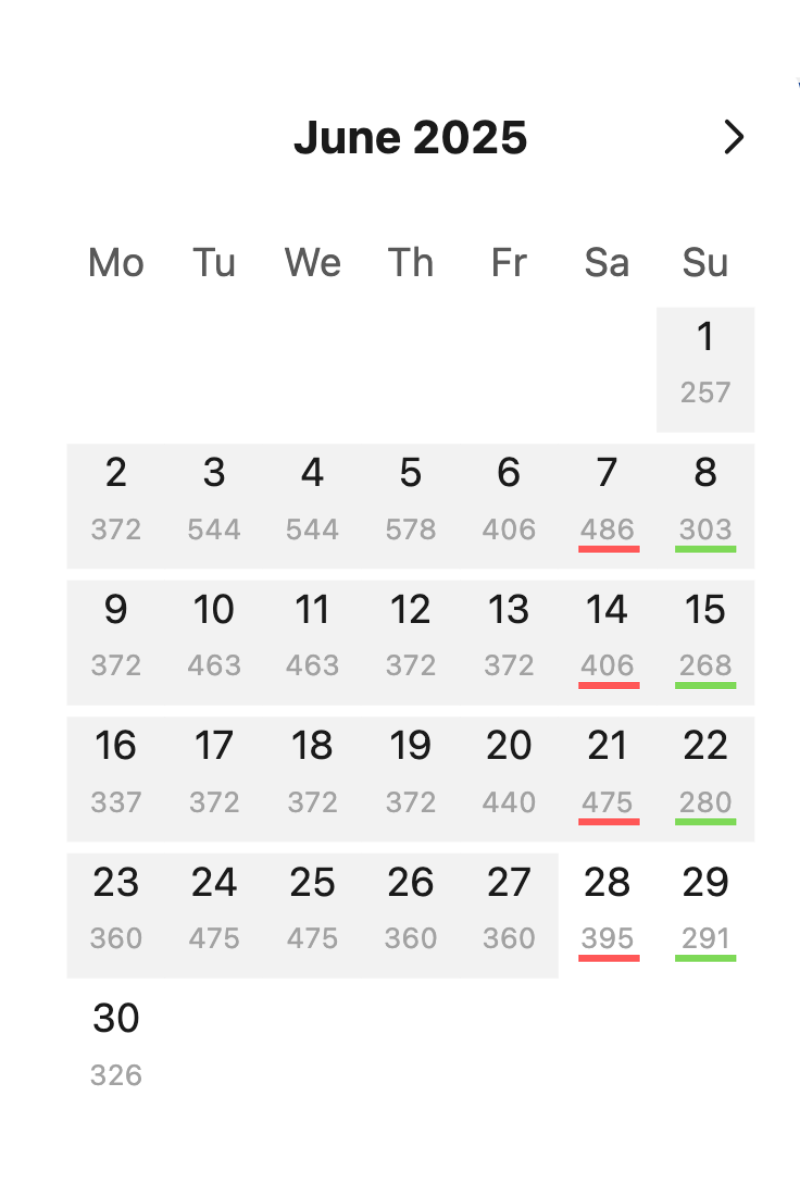
While the weekday and weekend pattern is the most consistent, several other factors create the complex mosaic of NYC hotel pricing:
Special Events and Seasonal Patterns
Prices often spike during:
- Major holidays (New Year's Eve rates can be especially high)
- Large conventions and trade shows
- Popular concert weekends at Madison Square Garden
- Marathon weekend
- Fashion Week
- UN General Assembly
- Peak summer tourist season (June to August)
- Christmas season (late November to December)
The Sunday Night Opportunity
Here's a lesser known pattern: Sunday nights often offer some of the best value of the entire week. Why? They sit at the intersection of trends:
- Leisure travelers are heading home
- Business travelers have not fully arrived yet
- Hotels worry about empty rooms
This creates a sweet spot where you can sometimes find rates noticeably lower than Friday or Saturday for the exact same accommodations.
Neighborhood Variations: Not All NYC Areas Spike the Same
This pricing pattern is not uniform across all neighborhoods:
- Midtown business focused hotels often show the most dramatic weekday and weekend contrast
- Downtown or SoHo properties might hold higher weekend rates more consistently
- Outer borough hotels can show less dramatic fluctuations overall
- Areas near specific event venues spike around their own event calendars
The Real World Impact: What This Means For Your Wallet 💰
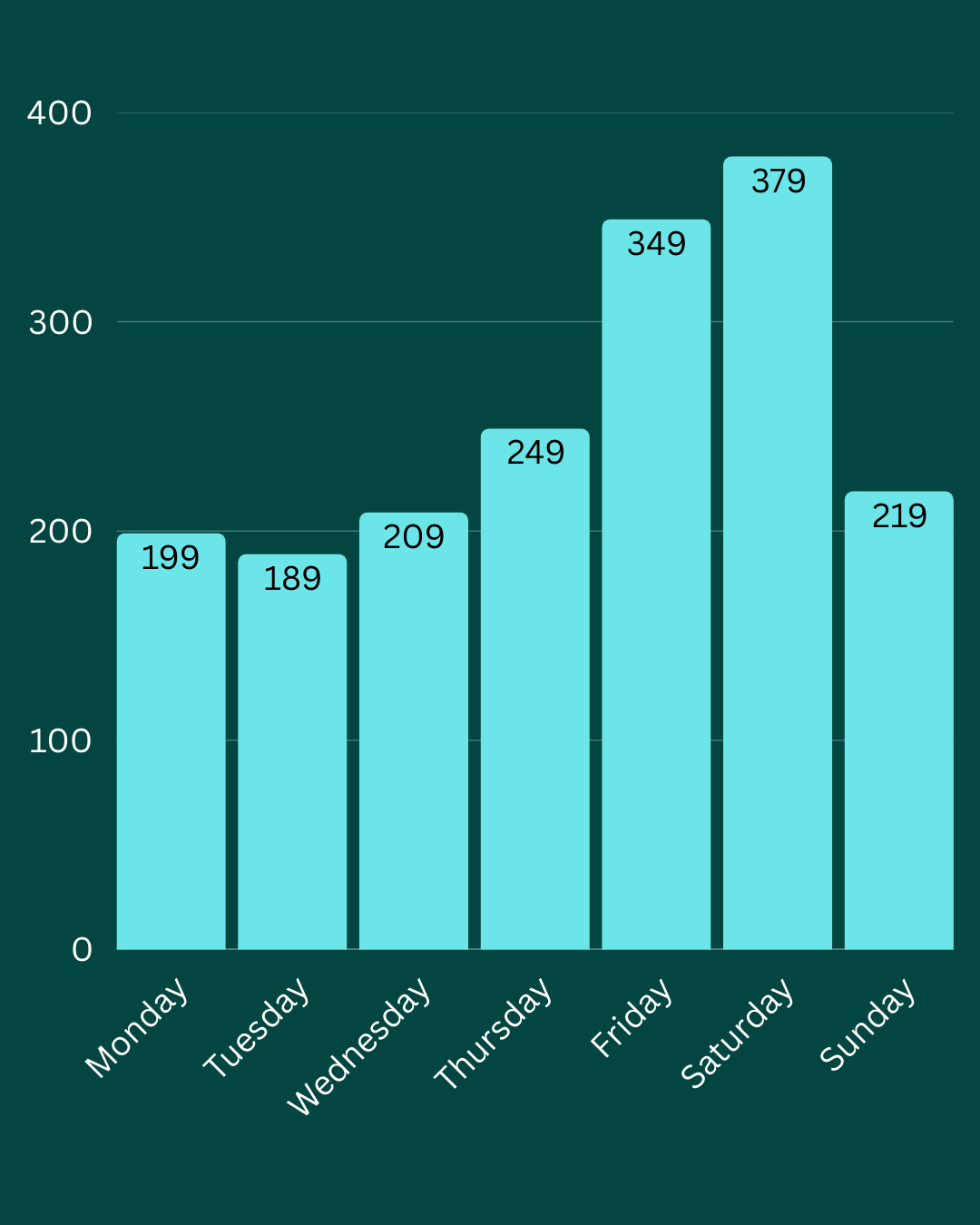
Let's look at a hypothetical (but typical) example:
“Hotel Gotham” in Midtown Manhattan:
- Monday: $199
- Tuesday: $189
- Wednesday: $209
- Thursday: $249
- Friday: $349
- Saturday: $379
- Sunday: $219
For a seven night stay, you would pay $1,793 total in this example, and a large share of that cost comes from just Friday and Saturday. And this is often before you factor in those frustrating hidden resort fees that can add even more to your final bill.
The Aha Moment for Budget Travelers
This pattern reveals something crucial: the same travel experience can have very different price tags depending only on which days of the week you visit.
Many travelers assume hotel prices are relatively stable and focus on finding deals or comparing properties. Understanding predictable calendar fluctuations opens up new strategies for the budget conscious traveler.
Using This Knowledge: The Power of Strategic Booking 💡
Once you understand these patterns, you gain the power to:
- Plan around them — if flexibility allows, schedule your NYC trip to include more weekdays and fewer peak weekend nights.
- Plan with them — if you must include a weekend, factor those higher nights into your overall budget from the start.
- Compare more intelligently — compare different stay patterns at the same hotel, not just different hotels on the same dates.
- Make informed splurge decisions — pay a Saturday premium knowingly for a special occasion, if it feels worth it to you.
- Think creatively — alter your accommodation strategy knowing prices are not flat through the week.
One creative option, especially for longer stays, is a split stay across two hotels that uses cheaper nights in each neighborhood. Our guide to NYC on a budget with split stays explores this further.
Why Hotels Use Dynamic Pricing (In Plain English)
You might wonder why hotels do not simply charge a consistent rate. The answer comes down to basic economics.
Hotels have fixed costs (building, staff, maintenance) whether they are at 30 percent or 100 percent occupancy. Every empty room represents revenue that can never be recovered.
By adjusting prices based on anticipated demand, hotels aim to:
- Fill more rooms overall throughout the year
- Maximise revenue during high demand periods
- Attract enough guests during slower periods to cover costs
This happens worldwide, but New York's swings between business and leisure travel make the pattern especially pronounced.
The Savvy Traveler's Mindset Shift
Understanding NYC's hotel pricing puzzle changes how you approach planning.
Instead of asking only “Which hotel should I choose?” start by considering “When does my preferred hotel offer the best value?”
This shift, looking at the same property across different dates rather than different properties on the same dates, is the foundation of truly strategic travel planning.
Your Next Steps: Becoming a Hotel Price Detective 🕵️♀️
Start investigating these patterns yourself:
- Pick a few NYC hotels that interest you
- Check their rates across different days of the week
- Notice the patterns we have discussed
- Consider how these fluctuations might impact your travel strategy
By simply understanding when prices rise and fall, you have already gained valuable knowledge that many travelers never discover.
Conclusion: Knowledge Is Power (and Savings)
The dramatic price differences between weekdays and weekends in NYC hotels are not random, they are predictable, explainable, and useful for the informed traveler.
While you cannot change how hotels price their rooms, you can change how you respond to those strategies. Whether you adapt your dates, adjust expectations, or explore creative alternatives like split stays, understanding the pattern is the crucial first step.
Happy hotel hunting.
Understanding NYC's hotel pricing is the first step to smarter travel. Hotel Splitter is building tools to help you use this knowledge to your advantage.
Join our tips list for savvy NYC advice and early access to a new way to save. 🚀